Department of Prosthetics and Orthotics Technologies
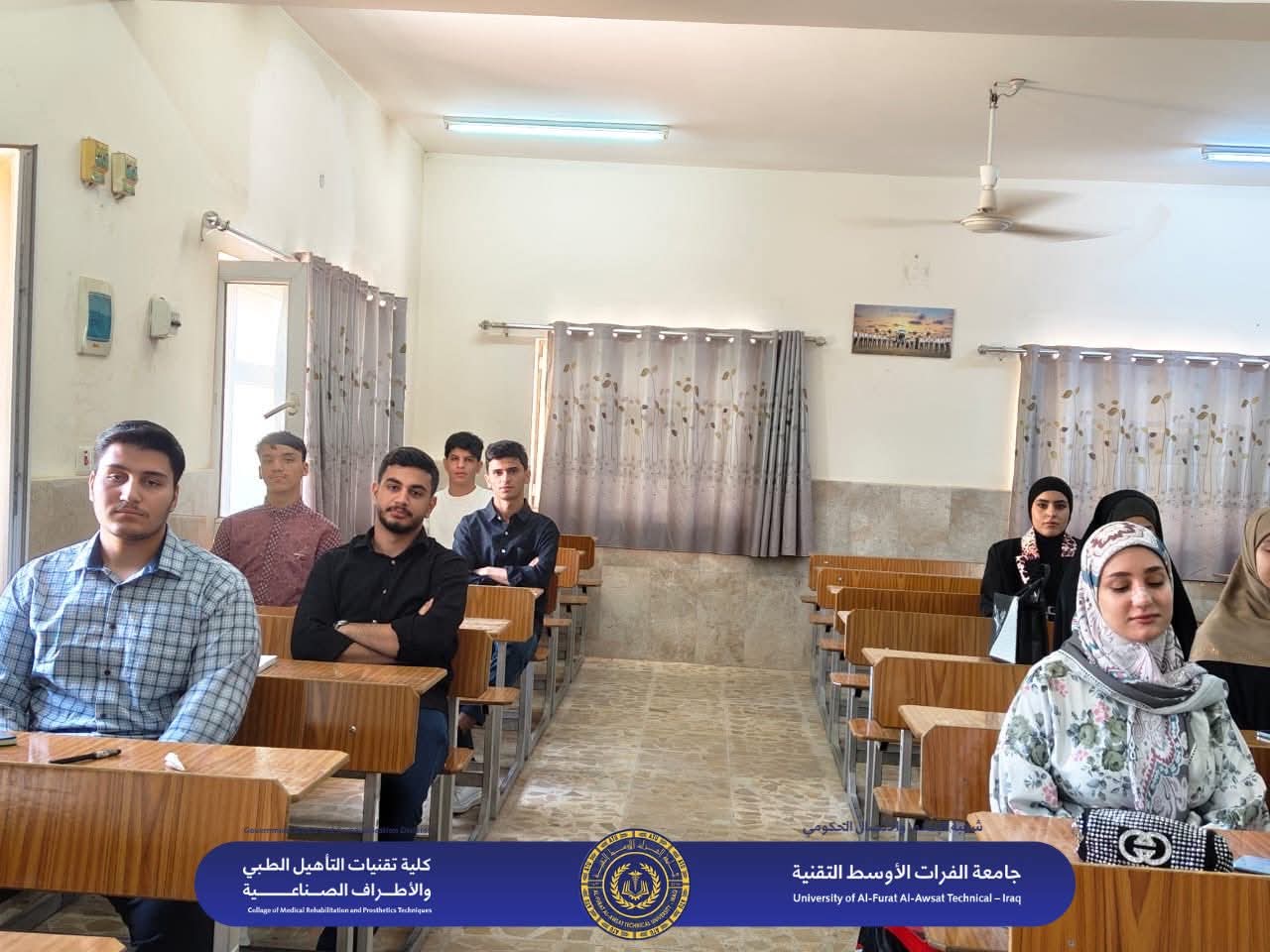
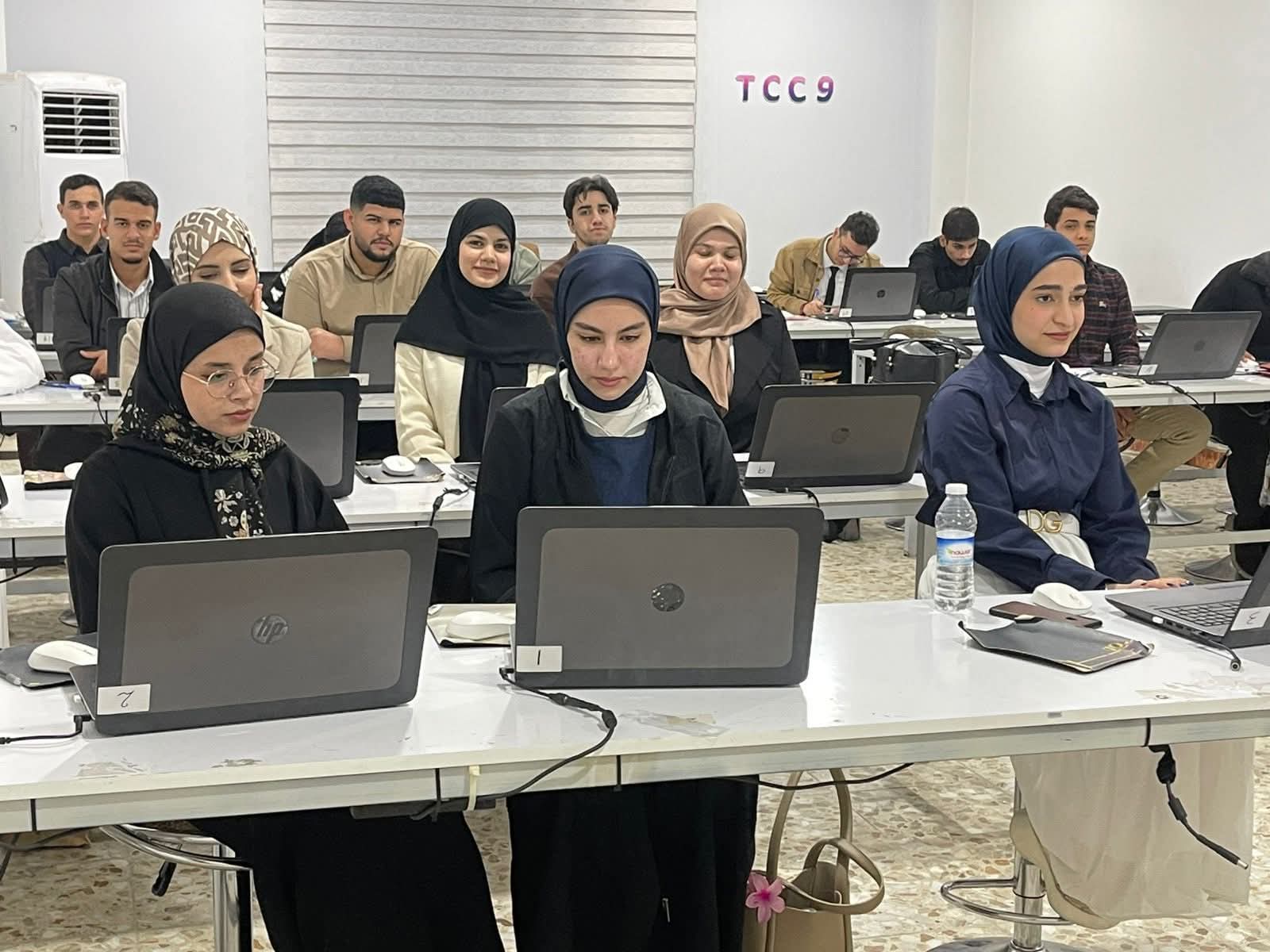
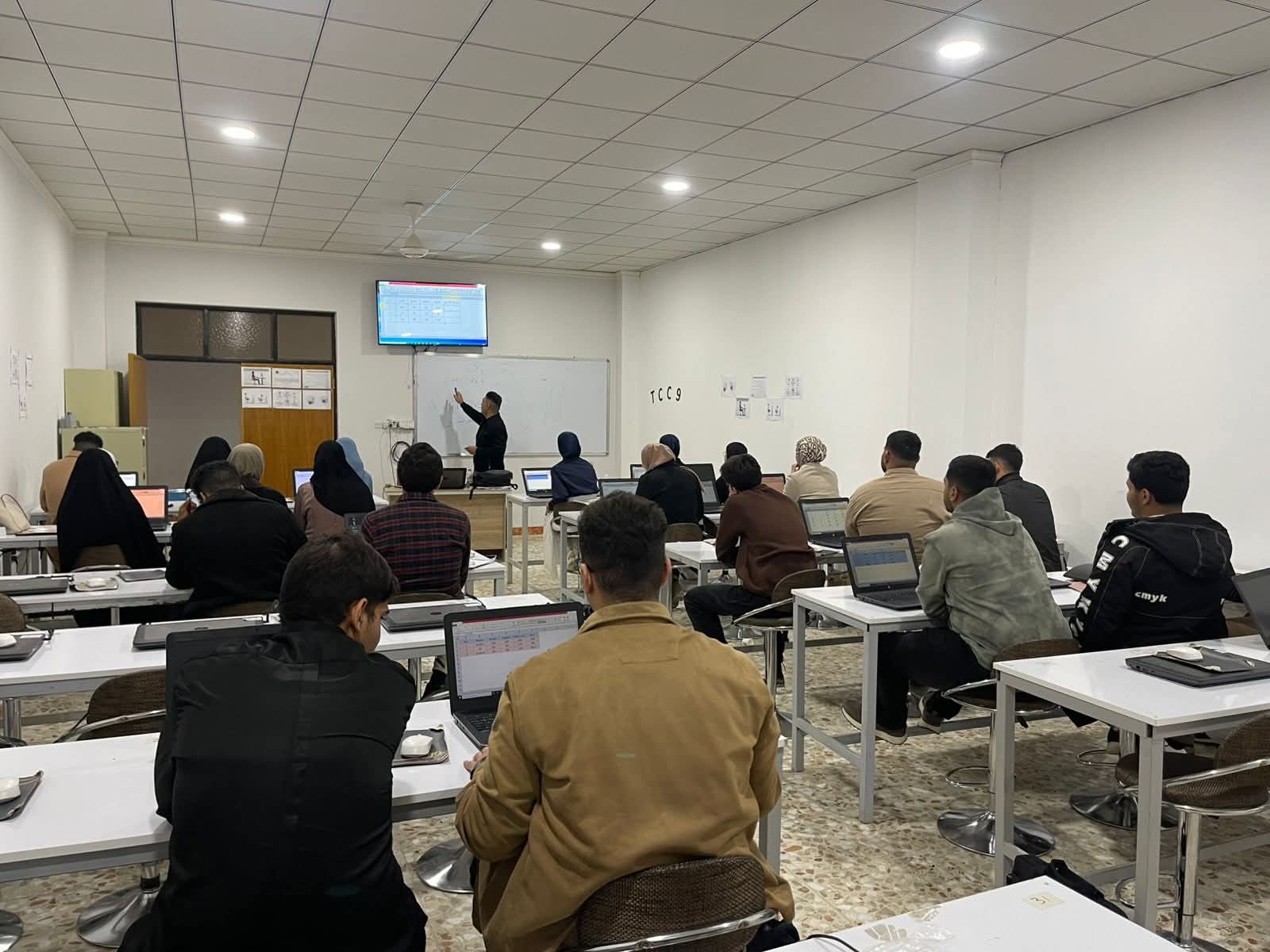
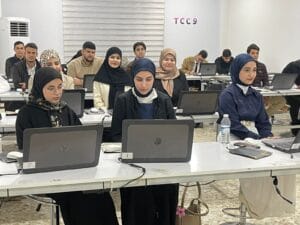
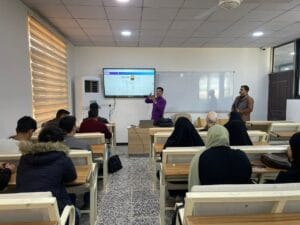
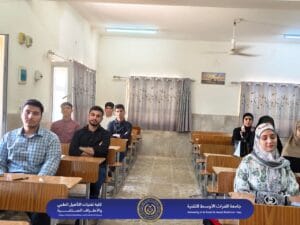
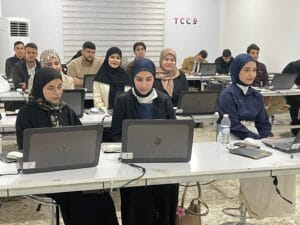
Photo Gallery: Department of Prosthetics and Orthotics Technologies
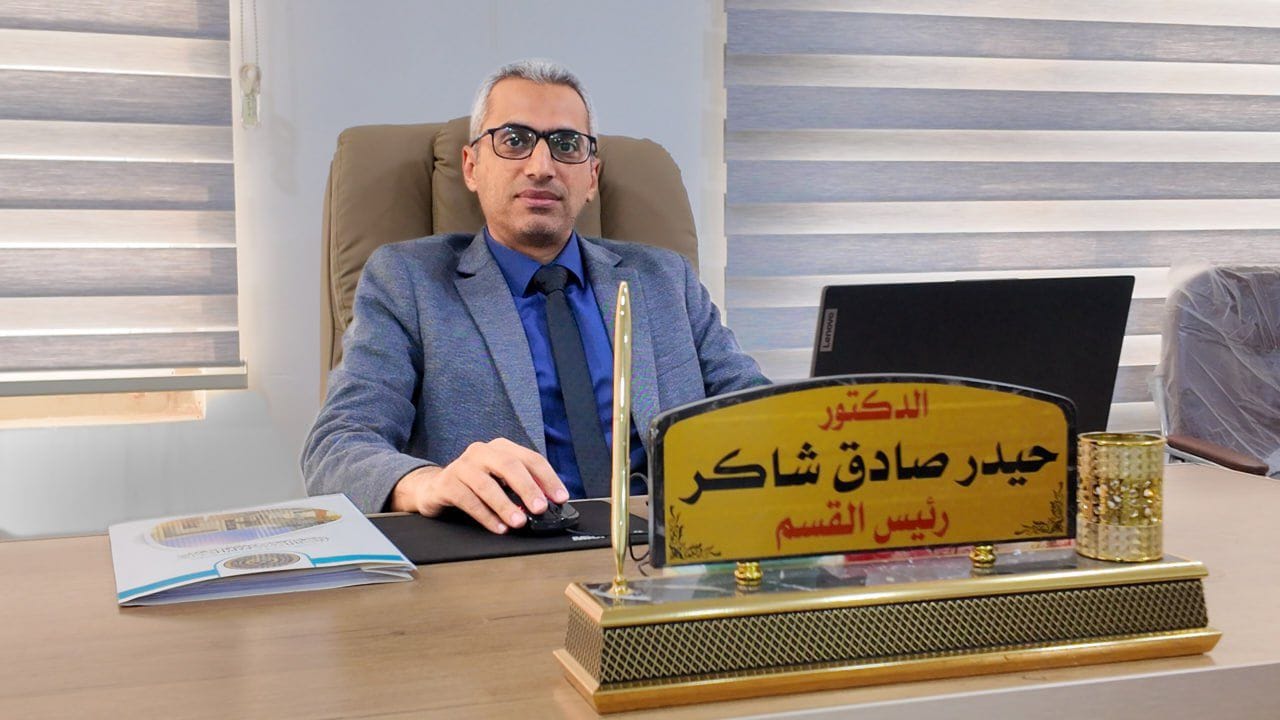
Head of Department
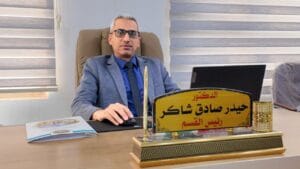
Dr. Haider Sadiq Shaker Zayer Daham Al-Makhzoumi
Academic Title: Lecturer
Position: Head of the Department of Prosthetics and Orthotics Technologies
Academic Qualifications:
Ph.D. in Communications Engineering – Al-Furat Al-Awsat Technical University (2025).
M.Sc. in Communications Engineering – Al-Furat Al-Awsat Technical University (2019).
Higher Diploma in Aerospace Engineering – University of Rome (2014).
B.Sc. in Communications Engineering Technologies – Al-Furat Al-Awsat Technical University (2008).
Department of Prosthetics and Orthotics Technologies
Department Overview: Prosthetics and Orthotics Technologies
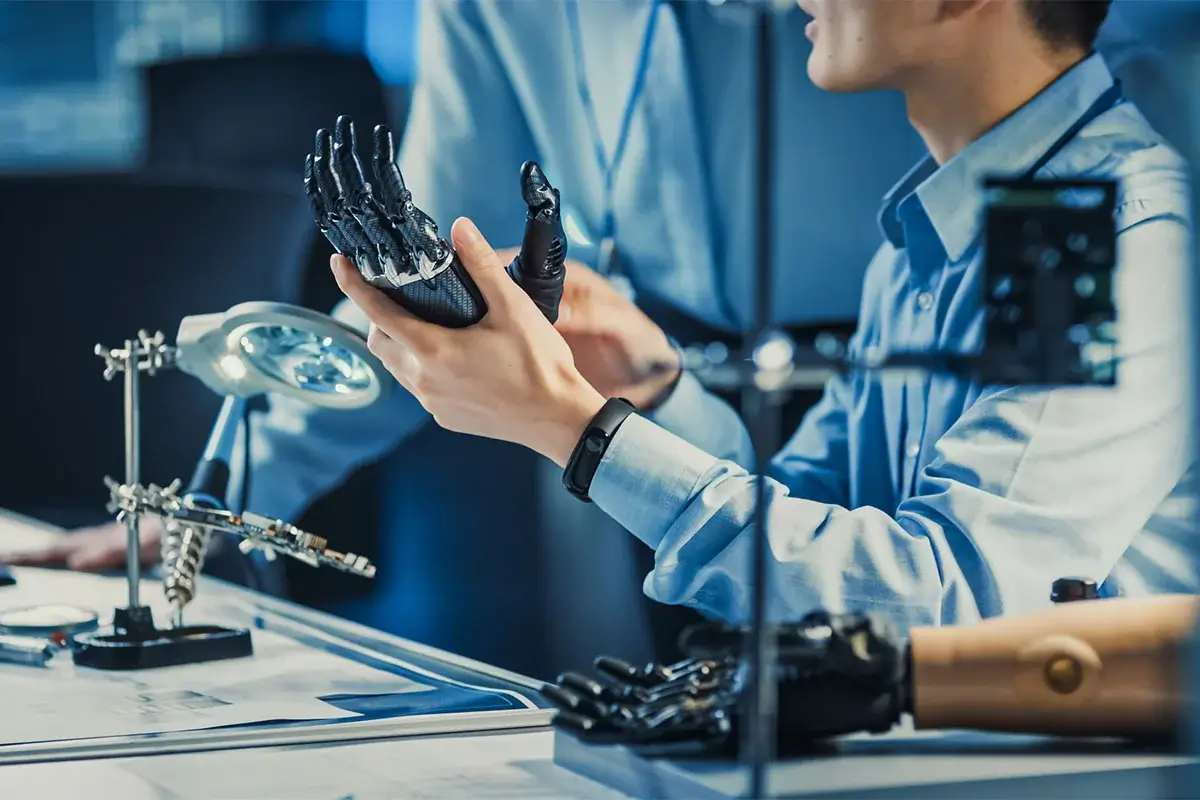
The Department of Prosthetics and Orthotics Technologies is dedicated to qualifying specialized technical personnel in the rehabilitation of limb loss resulting from accidents, diseases, or congenital anomalies. In addition, the department focuses on the design, fabrication, and fitting of medical orthotic devices used to support joints, guide or limit motion, and correct physical deformities. These interventions aim to enhance motor function, alleviate pain, and empower patients to regain independence in their daily activities.
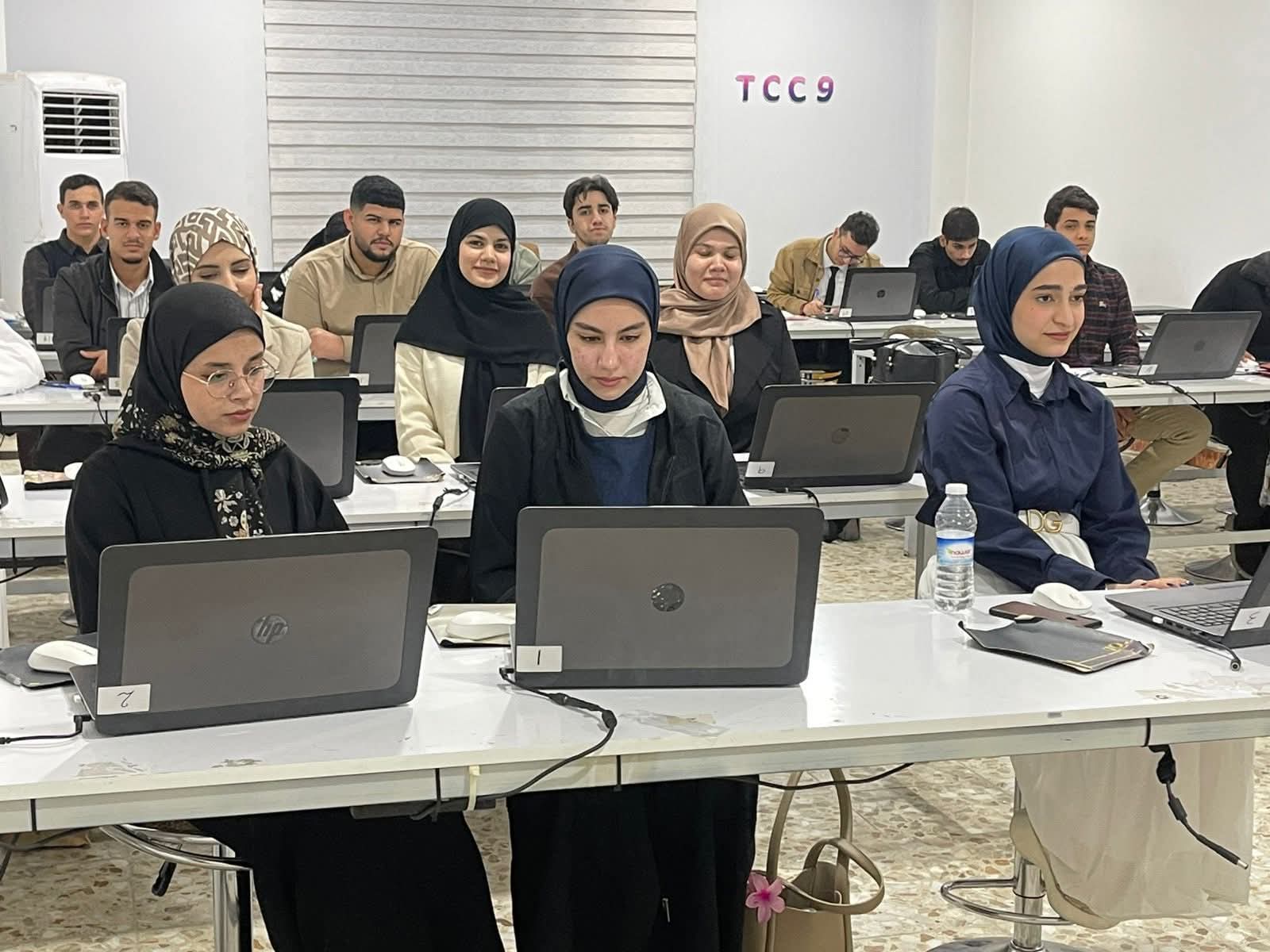
The department offers an applied academic bachelor’s program that integrates theoretical knowledge with clinical and practical training within educational laboratories and workshops. Through collaboration with healthcare institutions, we ensure that our graduates are capable of performing precise clinical evaluations and designing customized prosthetic and orthotic solutions in accordance with established professional and ethical standards.
Our Core Objectives:
Empowering the Healthcare Sector: Providing qualified technical expertise to meet local community needs and improve the quality of life for individuals with disabilities.
Multidisciplinary Collaboration: Emphasizing the importance of working within integrated rehabilitation teams.
Innovation & Modernization: Keeping pace with the latest advancements in smart prosthetics and advanced restorative technologies.
The curriculum has been meticulously designed to align with international standards in prosthetics and orthotics education while effectively addressing the specific requirements of the local labor market.
"To achieve national and international leadership and excellence in the education and rehabilitation of technical cadres in the fields of Prosthetics and Orthotics; committed to implementing cutting-edge technologies and innovative scientific research to enhance the quality of life for individuals with disabilities and ensure their seamless integration into society."
"To prepare specialized technicians equipped with the essential knowledge and skills to evaluate patient needs, and to design and fit prosthetics and orthotics within an educational environment that fosters research, professional development, and community service. We achieve this through strategic partnerships with healthcare institutions, a steadfast commitment to professional ethics, and dedicated support for both patients and the private sector."
Preparing Medical Technical Personnel: To graduate specialized medical technical cadres capable of working efficiently in the fields of prosthetics and orthotics.
Clinical Evaluation and Treatment Planning: To empower students to perform accurate clinical examinations and evaluations, develop integrated treatment plans, and train patients on the effective use of prosthetic devices.
Fabrication and Fitting: To train students in the design, fabrication, and fitting of customized prosthetics and orthotics that meet individual needs and enhance their ability to perform daily activities.
Psychosocial Support: To provide psychological and social support to patients suffering from limb loss or skeletal deformities.
Advancing with Modern Technology: To equip students with the necessary knowledge to utilize contemporary technologies, such as smart prosthetics, robotics, and CAD/CAM (Computer-Aided Design and Manufacturing) systems.
Strategic Partnerships: To build effective partnerships with the Ministry of Health through clinical training, developing rehabilitation services, and enhancing the efficiency of professionals in the field.
Scientific Research and Innovation: To encourage students to participate in scientific research and develop innovative solutions to challenges in prosthetics through graduation projects and applied research.
Professional Ethics: To instill health profession values and ethics, ensuring the delivery of safe, reliable, and respectful care to all patients.
Ministry of Health.
International Committee of the Red Cross (ICRC).
Opening private clinics and specialized centers.
Fabrication and manufacturing of prosthetics and orthotics.
Osseointegration and smart prosthetics.
The Department of Prosthetics and Orthotics Technologies offers a four-year academic program leading to a Bachelor’s degree in this specialization. The program aims to provide students with a solid scientific foundation and advanced practical skills, qualifying them to practice as professional Prosthetics and Orthotics Technologists.
Key Tasks and Responsibilities:
Clinical Evaluation: Examining and assessing patients in need of prosthetics or orthotics, taking precise measurements, and identifying the individual needs of each case.
Design and Fabrication: Preparing necessary materials and manufacturing prosthetic limbs and medical supports using both traditional and modern techniques in specialized workshops.
Fitting and Alignment: Fitting the device on the patient and ensuring it meets technical specifications, provides comfort, and achieves the required functional performance.
Training and Rehabilitation: Training patients on the correct and safe use and maintenance of their prosthetic limbs or orthotic devices to ensure maximum benefit.
Maintenance and Follow-up: Performing necessary adjustments, repairs, and periodic maintenance on devices to ensure their continued effectiveness.
Workshop Management and Operation: Operating and maintaining the tools, machinery, and equipment used in prosthetics and orthotics laboratories and workshops.
Multidisciplinary Teamwork: Collaborating with physicians, physical therapists, and other rehabilitation team members to develop a comprehensive treatment plan for the patient.
Patient Support: Providing psychological and moral support to patients, helping them adapt to their new physical condition.
Department activities
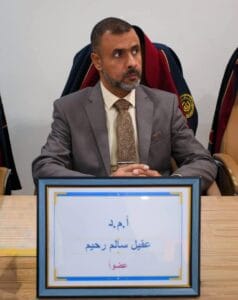
Scientific Associate Dean at the College of Medical Rehabilitation Techniques and Prosthetics Participates in a Doctoral Dissertation Defense at the Engineering Technical College – Najaf
Scientific Associate Dean at the College of Medical Rehabilitation Techniques and Prosthetics Participates in a Doctoral Dissertation Defense at the Engineering Technical College – NajafDetails: The Associate Dean for Scientific Affairs at the College of Medical Rehabilitation Techniques and Prosthetics, Assistant Professor Dr. Aqeel Salem Rahim, participated as a jury member in the defense of the doctoral dissertation presented by the researcher Mohanad Sarem Abdullah at the Engineering Technical College – Najaf.The dissertation was titled:"Design of Lightweight Predictive Models Implementable on Embedded Systems for Predicting Optical Wireless Signals Under the Influence of User Mobility and Receiver Device Orientation Changes."The dissertation focused on developing intelligent predictive models to handle dynamic changes in optical wireless communications, achieving high accuracy and low response latency, which supports their future applications in modern communication systems.This participation comes within the framework of the active contributions of the college's faculty members in scientific and academic committees, further supporting the journey of scientific research.Zaid Al-Salami / Head of the Government Media and Communications Division at the College
College of Medical Rehabilitation Techniques and Prosthetics Commemorates Speicher Martyrs with a Moment of Silence
College of Medical Rehabilitation Techniques and Prosthetics Commemorates Speicher Martyrs with a Moment of SilenceDetails: The College of Medical Rehabilitation Techniques and Prosthetics at Al-Furat Al-Awsat Technical University held a moment of silence to commemorate the annual anniversary of the Speicher massacre martyrs. The event was attended by the Dean of the College, Professor Dr. Fares Mohammed Al-Jaifari, along with a number of faculty members, staff, and students.The commemoration included reciting Surah Al-Fatiha for the souls of the martyrs, recalling the great sacrifices made by the people of Iraq in defense of their homeland, and emphasizing the importance of consolidating national unity and rejecting extremist ideology and terrorism.During his participation, the Dean stressed that the memory of the Speicher martyrs will remain a testament to the scale of sacrifices made by Iraqis, calling for inspiration from the meanings of patience, steadfastness, and loyalty to the martyrs who wrote bright pages in the history of Iraq with their blood.The event concluded with prayers for mercy and forgiveness for all the martyrs of Iraq, and for God to protect Iraq and its people from all harm.Zaid Al-Salami / Head of the Government Media and Communications Division at the College
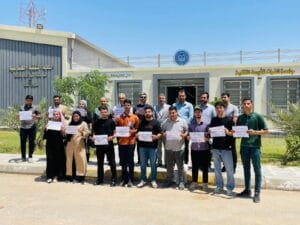
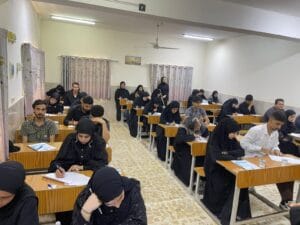
Dean of the College of Medical Rehabilitation Techniques and Prosthetics Praises Examination Committees’ Efforts as Final Exams Conclude
Dean of the College of Medical Rehabilitation Techniques and Prosthetics Praises Examination Committees' Efforts as Final Exams ConcludeDetails: The College of Medical Rehabilitation Techniques and Prosthetics concluded its final examinations today for both morning and evening studies for the academic year 2025-2026, held in a calm and organized atmosphere.The Dean of the College, Prof. Dr. Fares Mohammed Al-Jaifari, praised the efforts of the examination committees, as well as the teaching and administrative staff who contributed to the success of the exams. He emphasized the college's commitment to providing an optimal environment for the students.The examination halls witnessed students taking their final exams, marking the conclusion of the examination season for the current semester.Zaid Al-Salami / Head of the Government Media and Communications Division at the College
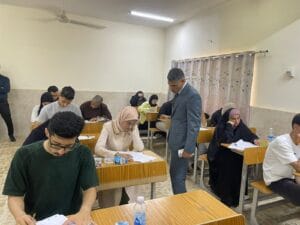
“The Dean of the College of Medical Rehabilitation Techniques and Prosthetics, Professor Dr. Fares Mohammed Al-Jaifari, Inspects the College’s Examination Halls”
The Dean of the College of Medical Rehabilitation Techniques and Prosthetics, Professor Dr. Fares Mohammed Al-Jaifari, Inspects the College's Examination HallsDetails: The Dean of the College of Medical Rehabilitation Techniques and Prosthetics, Professor Dr. Fares Mohammed Al-Jaifari, conducted a field inspection tour of the examination halls to review the progress of the final exams for students in the Department of Medical Rehabilitation and Prosthetic Techniques and the Department of Prosthetics and Orthotics Techniques.During the tour, he reviewed the examination atmosphere and the quality of services provided to the students. He emphasized the importance of ensuring a suitable environment that facilitates a smooth examination process in compliance with the approved regulations and guidelines, wishing the students continued success and excellence. ———— Zaid Al-Salami / Head of the Media and Government Communication Department at the College
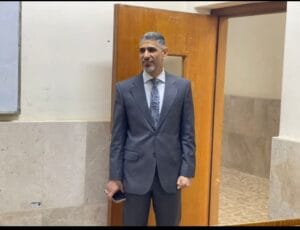
“The College of Medical Rehabilitation Techniques Commences Final Practical Examinations for the Academic Year 2025-2026”
The College of Medical Rehabilitation Techniques and Prosthetics Commences Final Practical Examinations for the Academic Year 2025–2026The College of Medical Rehabilitation Techniques and Prosthetics has commenced the final practical examinations for the academic year 2025–2026, amidst a well-organized environment provided by the college to ensure the smooth progress of the exams.The Dean of the College, Professor Dr. Fares Mohammed Al-Jaifari, conducted a field tour to follow up on the examination process, directly supervising the proceedings to review the students' performance and ensure the availability of all necessary requirements for the exams' success, in accordance with the approved regulations and instructions.The College Deanship emphasized its commitment to providing a suitable examination environment that helps students take their exams with ease, wishing them continued success and excellence in their academic journey.Zaid Al-Salami / Head of the Media and Government Communication Department at the College
Contact the department